
Human History Along the Northern Lights

Keeper routines, weathered journals, and shoreline memory reveal how lighthouse life was lived day by day.

  • Early Beacon Years

    Founding accounts trace first lamps, hand-cut paths, and the isolated beginnings of coastal guidance.

  • Keeper House Rhythms

    Letters and logbooks document watch schedules, family labor, and quiet routines between storms.

  • Preservation Era

    Recent oral histories and restoration notes record how local communities protected towers for future study.

Keepers’ Lives

Life inside the stations, between weather and light

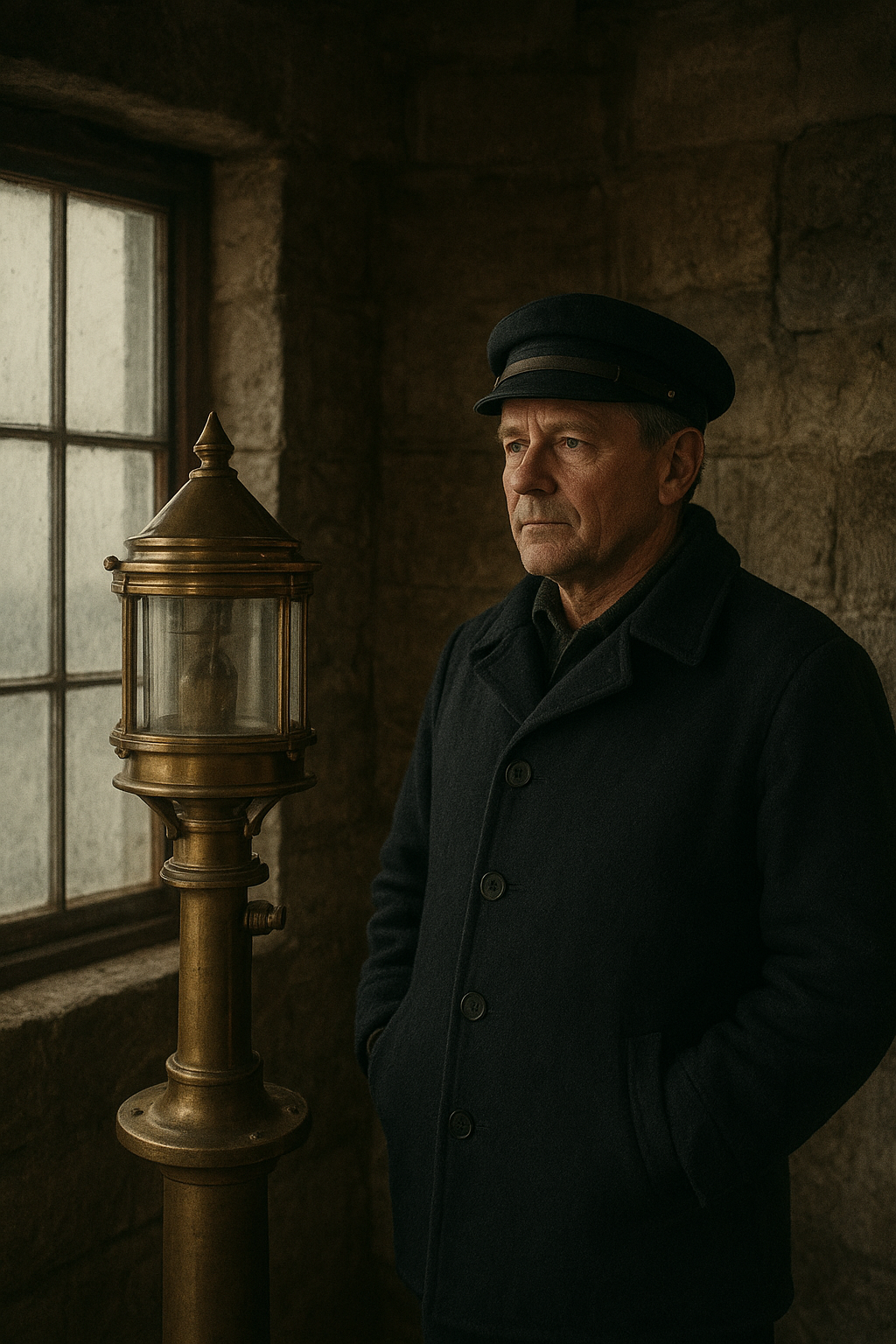
Middle-aged lighthouse keeper in a dark wool coat standing beside a brass lantern apparatus inside a weathered coastal station
Glass polished at dawn, wick trimmed at dusk, records kept against sea fog.

The Night Watch at Black Point

In station journals from 1908–1931, keepers describe a rhythm of maintenance, weather signals, and family life measured by tides—quiet domestic routines threaded through storms, shortages, and the responsibility of an unbroken beam.

Explore the map

Lantern Room Winters

Anecdotes from winter logs recount frost gathering inside the glass, tools warmed near the stove, and improvised repairs carried out before first light reached the channel.

Walkway Signals

At exposed stations, keepers used lantern shutters and hand-bell patterns on storm nights—short, local practices that linked each tower to nearby fishing crews.